

Meet with our doctor to discuss your symptoms, medical history and previous treatments. Your condition will be assessed to establish whether PRP therapy may be appropriate for you.

Blood Collection and Plasma Separation
A small blood sample is taken from a vein and processed in a centrifuge to separate the platelet-rich plasma from the other blood components.

PRP Injection and Aftercare
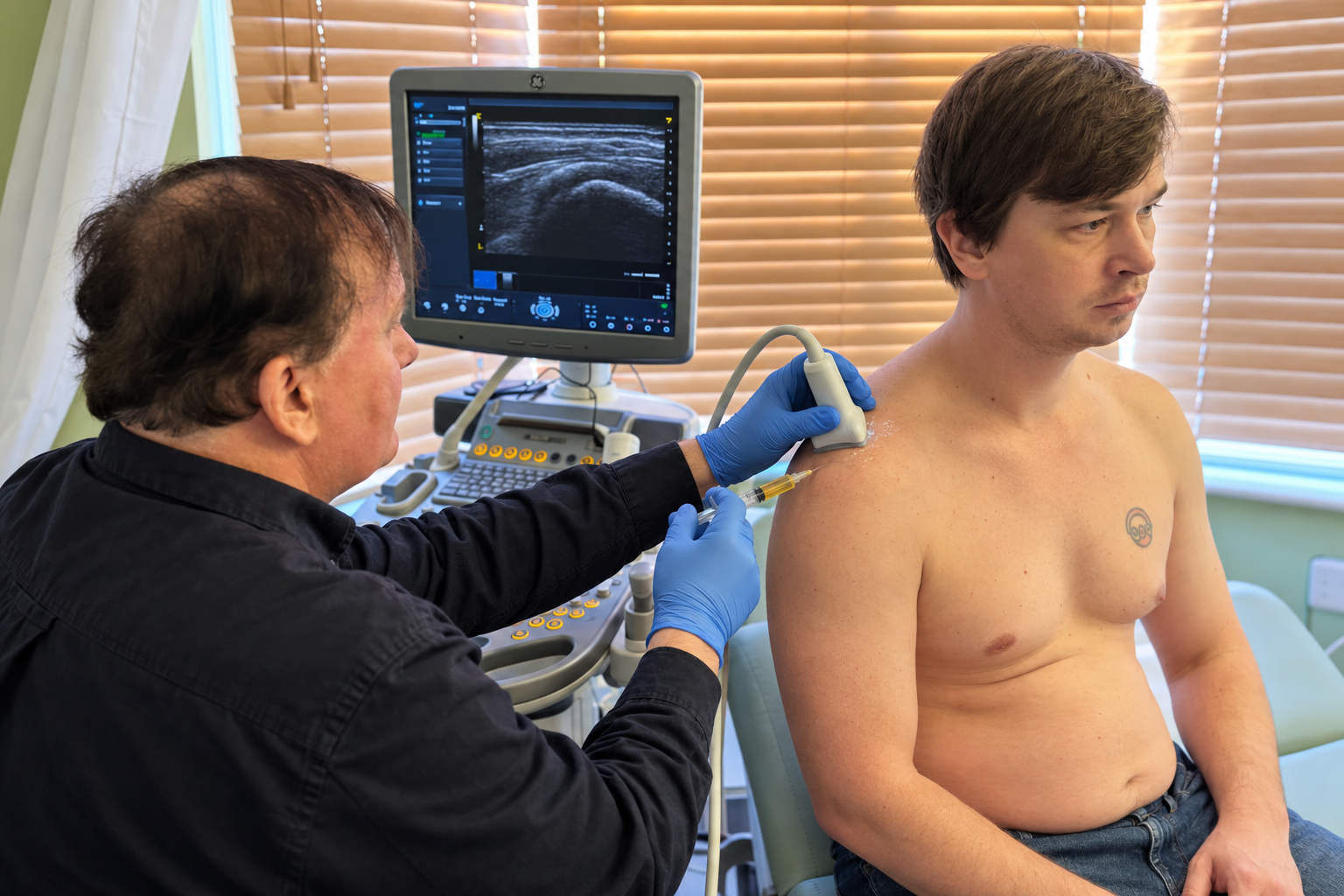
The platelet-rich plasma is injected into the affected joint or soft tissue, using ultrasound guidance where appropriate. You will receive individual aftercare and activity guidance following your treatment.
What is the role of platelet rich plasma (PRP) and other biologics in the natural healing process?
This short educational video explains how platelet-rich plasma, obtained from the patient’s own blood works and supports the body’s natural healing response.
Hear from HSS primary care sports medicine physician Dr. Brian Halpern.
PRP treatment is subject to an individual orthopaedic assessment. The doctor will recommend the appropriate procedure and advise whether ultrasound guidance is required.